

Exploiting the Lucky Loser Anomaly: A First-Round Betting Blueprint
23 Dec 2025
Read More
Reading Live Tennis Odds: The Skill That Beats the Market
- Live odds in tennis reflect immediate recalculations of win probability
- They are driven by math, player fitness, and psychological factors
- Strategies include leveraging break points, momentum, and medical timeouts
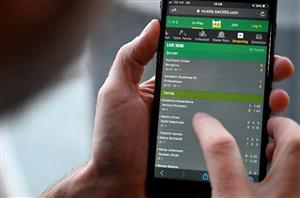
Reading live odds in real time is the key to spotting market mispricing before it corrects.
(credit: Getty)
How to Read Live Odds Movement in Tennis Betting: A Complete Guide
Live odds in tennis are arguably the most dynamic in sports betting, reflecting an immediate, point-by-point recalculation of win probability. Successfully reading these shifts—which can occur in seconds—is the core skill of professional tennis bettors. This guide details the structure, causes, and signals of live odds movement in a clear, accessible format.
The Core Drivers: Why Tennis Odds Move So Fast
Live odds are driven by algorithms and market forces that continuously process the changing variables of a match. Understanding these drivers is the first step toward profitable live betting.
- Mathematical Probability & Score Changes
The foundation of odds movement is the cumulative scoring system of tennis. Each point won or lost has a quantifiable, mathematical impact on a player's overall chance of winning the match.
Key Mathematical Triggers in Live Odds Movement
| Trigger | Probability Effect | Signal Type |
|---|---|---|
|
Break Point Created |
Causes a 10%–40% odds shift for the server (drop) and returner (spike). |
Pure Mathematical |
|
Break Point Saved |
Odds revert instantly, often creating an immediate price correction. |
Pure Mathematical |
|
Tiebreak Leads |
Produces large, predictable swings due to the leverage of every tiebreak point. |
Pure Mathematical |
A key insight here is that the market is responding to the pure mathematics of the score. This movement is predictable and easy to model.
- Momentum, Fitness, and Psychological Cues: Beyond the score, live odds must account for transient, real-time variables that suggest how a player will perform in the next few minutes.
- Momentum: When a player wins consecutive points or games (e.g., winning a service game at love or securing an unexpected break), the algorithm begins expecting continued performance. This creates a psychological shift in the market.
- Physical Signals (Fitness & Fatigue): This is where bettors can gain a significant edge. Sportsbooks are slower to model physical decline than score changes. Odds will swing fast when visible signs of fatigue or injury appear, such as serve speed drops, movement slowing, or a player constantly bending over between points. This is a reaction to real-time physical evidence.
- Public Money: Live markets must remain balanced. When a large volume of bets (Public Money) floods one side during a key situation, the sportsbook will shade the line to reduce their risk (Reactive Hedging). This movement reflects the momentum of money, not the match, and often results in temporary mispricing.
Reading the Odds Screen: Speed and Direction
Live bettors shouldn’t just watch the odds. They need to understand the speed, direction, and size of every move. Slow drifts reveal growing trends, sharp jumps signal genuine turning points, and false movements usually come from crowd reaction rather than real match changes.
Quick Match Example: How Odds Actually Move
- Djokovic opens at 1.40.
- His first-serve drops over two games and Rublev wins a few extended rallies → odds drift to 1.55 → 1.70.
- This slow drift signals building pressure before the market fully adjusts.
- A double fault on break point triggers an instant jump to 2.30 — a classic sharp movement.
Interpreting the Rate of Movement
| Movement Type | Description | Indication | Betting Takeaway |
|---|---|---|---|
|
Slow Drift |
A gradual movement over 1–3 games (for example, 1.60 → 1.75). |
Market is adjusting expectations based on match flow, such as a drop in first-serve percentage. |
Predicts turning points. A strong signal that an imbalance is forming in the match. |
|
Sharp Instant Jump |
An immediate 10%–40% odds shift following a dramatic event (double fault, injury, break point). |
A significant change in the underlying win probability has just occurred. |
React only if the price over-corrects. Algorithms often overshoot after big moments. |
|
False Movement (The Trap) |
Odds shift noticeably even though true win probability has not changed. |
Usually driven by public overbetting or emotional reaction to a flashy point. |
Ignore cosmetic points. Focus on the underlying trend, not the crowd’s reaction to one highlight. |
The Three Critical Types of Live Odds Movement
Live odds move for three core reasons: math, physical decline, or psychological volatility. Mathematical movements follow score-based probability models, physical movements come from fatigue or injury that books price in late, and psychological movements arise from nerves or tilt, creating short-term mispricing. Understanding which type you’re seeing helps you react correctly and avoid chasing noise.
Type 1: Mathematical Movement
This is the most predictable type, triggered strictly by the score and established probability models. When a break point is created, the odds jump; when it's saved, they revert. This movement is a mechanical response to the high leverage of the point.
Scenario: Tsitsipas faces break point. Before the point, his odds are 1.60. When he goes down break point, the price jumps to 1.95 instantly. When he saves it, the odds bounce right back.
Type 2: Physical Movement (Your Edge)
This movement is triggered by visible signs of fatigue, decline, or injury (slower foot speed, reduced power, prolonged time between points). Books generally lag in fully pricing in these cues. Observing these physical signals allows you to price the decline before the books do, offering the greatest edge in live betting.
Scenario: Alcaraz begins bending over between points and his serve speed drops. Even without a break point, his odds drift from 1.45 → 1.70 → 1.95 over two games.
Type 3: Psychological Movement
Triggered by emotional volatility such as 'tilt,' nerves, or anger leading to rushed play and double faults. This volatility creates temporary windows where a player's actual probability drops faster than the market expects, before algorithms correct the overreaction.
Scenario: Zverev gets frustrated, argues with his box, then double-faults twice in one game. His odds jump from 1.80 → 2.20 even though he hasn’t been broken yet.
Key Situations to Master for Live Betting
Live betting edges come from recognizing situations where the market misprices risk. Break points create the biggest mathematical swings, early set leads are often overvalued, momentum chains can inflate odds unsustainably, and medical timeouts offer the strongest edge when physical decline is spotted before the books react. Understanding how odds behave in each scenario helps you anticipate market corrections and capture value early.
Key Live Situations and How to Bet Them
| Key Live Situation | Odds Behavior | Betting Edge |
|---|---|---|
|
Break Points |
Server drops 25–40% in win probability. Price snaps back instantly if the break point is saved. |
Look for servers with poor second-serve stats. The market often underestimates the risk of collapsing on a second-serve break point. |
|
Early Set Leads |
Situations like 0–30 are often mispriced because the market overweights serve advantage. |
Bet the player who returns well, even if they are down a few points early. |
|
Momentum Chains |
A player who wins 8 of 10 points and breaks serve often becomes overpriced. |
Fade unsustainable momentum unless it reflects true physical dominance. Look for market overreaction. |
|
Medical Timeouts (MTO) |
Books adjust slowly until the injury is confirmed or dismissed. |
Price the injury based on treatment type (for example, icing a joint vs. a quick rub-down) before the books fully correct the odds. |
Step-by-Step Framework to Read Live Odds
Reading live odds is about spotting whether a movement is justified by real on-court action or caused by overreaction. By identifying the movement type, comparing price shifts to actual match quality, tracking serve/return patterns, noticing early signs of fatigue, and predicting the next two games instead of the final result, bettors can strike before the market corrects. This framework helps you consistently find value ahead of the sportsbook’s adjustment.
- Identify Movement Type: Determine if the shift is primarily Mathematical, Physical, or Psychological.
- Compare Odds Movement to Match Reality: Is the shift justified by the quality of play, or is it an emotional/algorithmic overreaction?
- Check Serve/Return Patterns: Look at live stats (not just the scoreboard) to see who is truly controlling rallies and who is under pressure.
- Look for Hidden Fatigue: Scan for subtle physical cues like reduced movement or slow serve speed.
- Predict the Next Two Games: Focus your analysis on the immediate micro-trend, as live betting is about exploiting the next predictable shift, not the match's final result.
- Strike Before the Correction: Value is found when the market is slow (Physical cues, Slow Bleed pattern) or overreactive (Sharp Instant Jump). Your long-term success relies on beating the book's odds shift.
Latest News
-
 Lucky Loser Edge
 -
Left-Handed AdvantageLeft-Handed Advantage in Tennis: How Southpaws Shape Matchups and Betting Outcomes23 Dec 2025 Read More
-
Grand Slam BettingThe Grand Slam Effect: Why Best-of-Five Makes Favorites the Safest Bets23 Dec 2025 Read More
-
Tennis Tour TiersMastering Tennis’s Multi-Tiered Tours: How Each Level Changes Your Betting Edge23 Dec 2025 Read More
-
Reading MomentumThe Invisible Edge: How Momentum and Psychology Shape Tennis Betting23 Dec 2025 Read More