
Exploiting the Lucky Loser Anomaly: A First-Round Betting Blueprint
23 Dec 2025
Read More
The Invisible Edge: How Momentum and Psychology Shape Tennis Betting
- Tennis betting benefits from understanding momentum & psychological cues
- Spot emotional & body language shifts for pre-odds-change insights
- Use players' psychological profiles to predict match flow & outcomes

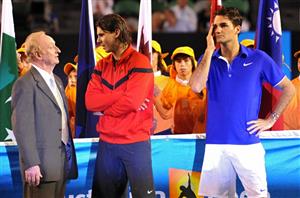
Body language tells the story long before the odds adjust.
(credit: Getty)
The Invisible Edge: How Momentum & Psychology Shape Tennis Betting
- The Invisible Edge: How Momentum & Psychology Shape Tennis Betting
- The Core Idea: Why the Mind Decides Matches
- What Momentum Really Is (And Why It’s Predictable)
- Pressure Situations: Where Psychology Runs the Show
- Choking Patterns: How to Spot a Mental Collapse
- Mental Player Types You Must Know
- The Quick Psychology Checklist (Use This in Every Match)
And here is where most live bettors get it wrong. They stare at the scoreboard as if it tells the whole story. They wait for the break to actually happen, for the set to slip away or for that double fault to drop before reacting.
By the time the numbers change, the real opportunity has already passed.
If you want to stay ahead in tennis betting, you need to read the moments that do not show up on the scoreboard. Momentum shifts. Subtle changes in body language. A player who starts looking unsure even while still leading.
That is the true edge. The mental scorecard always moves before the real one, and when you catch it early, you are already ahead of the market.
The Core Idea: Why the Mind Decides Matches
Tennis turns mental long before the stats start telling the story. The players who handle pressure better are the ones who end up controlling the flow of the match, and the best part is you can spot these shifts before the odds even start to react.
How Pressure Shapes Match Flow
| Key Idea | What It Means | Why It Matters for Bettors |
|---|---|---|
|
Tennis turns mental before it turns statistical |
Emotional control decides momentum long before the numbers show it |
You can spot momentum shifts earlier than the market |
|
Players who handle pressure control the flow |
Composed players steady themselves faster in tight moments |
Early reads help you predict who will take over the set |
|
These shifts appear before odds react |
Books adjust only after visible scoreboard changes |
Getting in early gives you the value edge |
Real Match Example:
Sinner is serving at 2 to 3 in a set and suddenly starts rushing between points after missing two forehands. The hold is not in danger yet, but his body language is already showing that the pressure is creeping in. That is your early signal. You can back the opponent at a stronger price before the sportsbook wakes up to the shift.
What Momentum Really Is (And Why It’s Predictable)
Momentum is not just a run of points. It is a player’s confidence showing itself in real time. You can see it in their posture, their timing, their shot choices and how freely they swing. These signals appear well before the scoreboard shifts, which means you can often spot momentum forming before the odds catch up.
How Pressure Actually Shows Up (And Why You Can Read It Early)
| Mental Trigger | Observable Change | When You Notice It |
|---|---|---|
|
Calm Under Pressure |
Cleaner ball-striking, fewer rushed errors, steadier rally patterns |
Right after surviving a tight deuce game or saving break points |
|
Composure in Big Moments |
More deliberate routines, controlled breathing, confident second serves |
During long momentum stalls when one player refuses to panic |
|
Early Psychological Shift |
Opponent’s body language stiffens, hesitation appears, shot choices get safer |
Before the odds move, usually 1–2 points before a key hold or break |
Real Match Example:
In Miami, Medvedev wins a brutal 26-shot rally at 2 to 2. In the next game he starts stepping inside the court, taking the ball earlier and hitting deeper through the lines. He has not earned a break point yet, but the shift is already obvious. That is the moment to back him to break because the momentum is forming before the odds move.
Pressure Situations: Where Psychology Runs the Show
Pressure moments like serving at 4 to 5, facing break points or entering a tie-break reveal who is mentally solid and who is tightening up. These spots often give you clearer clues than anything that happened in the previous half hour of play.
How Pressure Really Shows Itself (And When You Can Read It Early)
| Pressure Trigger | The Mental Tell to Look For | Betting Implication |
|---|---|---|
|
Handling Momentum Swings |
Cleaner swings, deeper rally tolerance, no panic after losing a long point |
If they settle quickly → They’re likely to take control of the next game |
|
Protecting a Lead |
Slower routines, controlled breathing, fewer reckless shots |
Calm players protect leads → Bet on them maintaining momentum |
|
Early Set Tension |
Hesitant footwork, rushed serves, overchecking the box |
If nerves show early → Live bet against them before odds adjust |
Real Match Example:
At 4 to 5, Rublev keeps glancing at his box and taking extra time before each serve. Fritz stays calm and keeps stepping into his returns. This is a classic spot to bet against the hold even before Rublev faces a single break point.
Big points expose who’s ready… and who’s about to crack.
Choking Patterns: How to Spot a Mental Collapse
Choking almost never comes out of nowhere. It builds through small cues like hesitating on routine balls, playing too safe or letting frustration show. If you react when these signs appear instead of waiting for the mistake, you usually catch the best price.
Early Nerves: How to Read a Player Before the Collapse Happens
| Choking Signal | Mental State | Betting Angle |
|---|---|---|
|
Tight First Serves |
Fear of missing, shortening the motion, guiding the ball instead of swinging |
These signs show up before double faults → Live bet against the hold early |
|
Short, Safe Rally Patterns |
Playing not to lose; afraid to pull the trigger on forehands |
Confidence is dropping → Expect a passive error or a short ball leading to a break |
|
Frozen Body Language |
Blank stare, hands on hips, no eye contact with the box |
Player is mentally spiraling → Odds won’t adjust until a point or two later |
Real Match Example:
At 30 to 30 while serving for the set, a player floats in a timid second serve and then double faults on the next point. In the following game they smash a ball in frustration. When you see that pattern starting, you can often bet the break before the real collapse even happens.
Mental Player Types You Must Know
A player’s psychological DNA matters just as much as their ranking. Some guys are natural front-runners, some tighten up under pressure and others love dragging matches into long battles. These patterns repeat themselves, and once you know them, you can predict how the match is likely to unfold.
The Mental Archetypes: How Different Minds React Under Pressure
| Player Type | Psychological Profile | Live Betting Strategy |
|---|---|---|
|
The Slow Starter |
Needs time to settle; often tense and passive in the opening games |
Oppose them early → Bet Against Them in the first 2–3 games |
|
The Emotional Roller |
Confidence swings wildly; one good or bad point shifts everything |
Great for Momentum Plays — ride their hot streaks, avoid them when rattled |
|
The Calm Stabilizer |
Rarely shows nerves; resets quickly after mistakes |
Safe for Hold Bets and backing during tight pressure moments |
|
The Over-Aggressor |
Tries to hit through nerves; forces big shots when stressed |
Expect errors under pressure → Bet Breaks during tight games |
Real Match Example:
Take someone like Shapovalov, who has a long history of getting tight when serving for a set. At 5 to 4, instead of trusting him to close, the smarter move is usually to back his opponent to break or push it to a tie-break. These patterns show up again and again across his career, and they give you a clear edge when you spot them early.
The Quick Psychology Checklist (Use This in Every Match)
Use these simple questions during live play to see if a player’s behavior matches the odds on screen. When the actions and the pricing don’t line up, you have found a mispriced opportunity.
The In-Point Psychology Test (A Quick Read on Every Rally)
| Checklist Question | Ideal Observation | Value Opportunity |
|---|---|---|
|
Who Wants the Point More? |
Notice who steps inside the baseline or takes initiative in neutral rallies |
Back the player dictating play—they usually swing momentum next |
|
Who Handles Pressure Rallies Better? |
Look for the player who stays patient and doesn’t rush the finishing shot |
If they lose the game but win these rallies → Comeback odds are mispriced |
|
Who Mentally Resets Faster? |
The player who returns to their routine without delay after a miss |
Bet against the one who hesitates, sulks, or freezes after errors |
|
Is the Market Behind the Eye Test? |
Compare body language with the live odds movement |
When the on-court behavior and odds diverge → That’s your value bet window |
Real Match Example:
If a player keeps winning the longer rallies yet the odds still list them as the underdog, the market is clearly behind. This happens a lot early in sets before the books adjust to what the rallies are telling you. That gap is where the value sits.
If behavior and odds don’t match, you’ve found your edge.
Latest News
-
 Lucky Loser Edge
 -
Left-Handed AdvantageLeft-Handed Advantage in Tennis: How Southpaws Shape Matchups and Betting Outcomes23 Dec 2025 Read More
-
Grand Slam BettingThe Grand Slam Effect: Why Best-of-Five Makes Favorites the Safest Bets23 Dec 2025 Read More
-
Tennis Tour TiersMastering Tennis’s Multi-Tiered Tours: How Each Level Changes Your Betting Edge23 Dec 2025 Read More