Exploiting the Lucky Loser Anomaly: A First-Round Betting Blueprint
23 Dec 2025
Read More
How Weather Shapes Tennis Betting More Than Fans Realize
- Weather impacts tennis—a key betting factor
- Conditions like wind and heat favor specific player styles
- Betting strategies should account for weather, court surface, and altitude
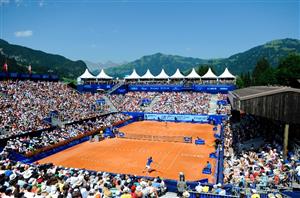
High-altitude clay events like Gstaad create faster, thinner-air conditions that can flip match expectations.
(credit: Getty)
The Weather Lens: Seeing Tennis Matches the Way Pros Do
Most tennis bettors worry about form, head-to-heads, and which surface a match is played on. But they overlook the one thing that changes from minute to minute: the weather. That’s often where the real opportunity hides. Tennis is one of the few sports where every point is played in direct battle with the elements. Heat, wind, humidity, even the angle of the sun — they don’t just change how comfortable a player feels. They change how the ball travels, how fast the court plays, and how long a player’s body can hold up.
The key idea is simple: Weather changes the game before the market reacts. Because betting lines adjust slowly, especially in the early rounds of a tournament, reading the forecast is one of the best value edges you can find.
Weather changes tennis faster than the betting market can react.
The Four Factors That Move the Odds
Weather shapes how every point is played, and each element favors a specific type of player. Wind helps grinders, heat boosts big hitters, humidity slows the ball for defensive players, and shade speeds up the court. Reading these shifts before the market adjusts can uncover valuable betting opportunities.
How Wind, Heat and Humidity Affect Players and Betting Lines
| Factor | Physical Impact | Player Favored | Betting Angle |
|---|---|---|---|
|
Wind |
Disrupts timing and reduces serve accuracy. |
Grinders, Counterpunchers |
Bet Overs in messy matches. Back consistent underdogs. |
|
Heat |
Speeds up the court, increases bounce and raises fatigue. |
Big servers, Aggressive baseliners |
Fade players with poor conditioning. Back power players. |
|
Humidity |
Makes the ball heavy and slow, extends rallies. |
Grinders, Defensive players |
Bet Overs in physical matches. Fade injury returners. |
|
Sunlight / Shade |
Direct sun affects timing. Shade speeds up the court. |
Power hitters in shade or indoors |
Back power hitters when the court is shaded. |
Wind, heat, humidity and sunlight quietly reshape every point and often expose mispriced lines.
Court + Weather: The Complete Read
Weather does not act alone. Its effects depend on the surface beneath it, and together they can completely change how a match plays out. Understanding how conditions interact with clay, grass and hard courts is essential for making accurate betting reads.
Weather Effects Across Tennis Surfaces
| Surface | Weather Condition | Effect on Match Play |
|---|---|---|
|
Clay |
Wind |
Makes sliding and recovery risky. |
|
Clay |
Heat |
Creates a high bounce, helping topspin specialists. |
|
Grass |
Wind |
Disrupts serve-and-volley tactics. |
|
Grass |
Heat |
Dries the court and makes the grass surface even faster. |
|
Hard |
Extreme Temperature |
Heat speeds up the court; humidity slows it down. Injuries flare fastest here. |
Surface and weather amplify each other, and reading both together is one of the smartest betting skills.
Player Style Profiles Under Stress
Each playing style reacts differently to changing conditions. Some players gain an advantage while others lose key strengths, and these shifts often reveal who is better suited to win before the odds reflect it.
How Weather Conditions Affect Different Player Styles
| Player Style | Wind | Heat | Humidity |
|---|---|---|---|
|
Big Server |
Destroyed due to rhythm loss. |
Helps because the court plays faster. |
Reduces effectiveness because the ball becomes heavy. |
|
Counterpuncher |
Benefits from slower, messy points. |
Suffers and tires quickly. |
Benefits from slower pace and longer physical rallies. |
|
Aggressive Baseliner |
Punishes flat hitters. |
Thrives on a faster court. |
Reduces ball pop and shot penetration. |
|
All-Court Player |
Adaptable. |
Adaptable. |
Adaptable. |
Every playing style thrives in some conditions and breaks down in others; the weather decides who is really favored.
Altitude: The Permanent Environmental Edge
Altitude is one of the most powerful yet overlooked environmental factors in tennis. Unlike wind or heat, it doesn’t change throughout the match — but it changes the match itself. Tournaments played in high-altitude cities like Madrid, Mexico City, Bogotá, or even smaller South American stops play like a different sport.
What actually happens at altitude?
The air is thinner, so the ball travels faster and carries further. Spin bites less, slices float, and rallies shorten. Players also burn energy faster because there’s less oxygen available. Some adapt quickly, but many struggle for an entire week.
Impact:
- The ball flies quicker with less air resistance.
- Big, flat hitters get an instant boost.
- Heavy topspin players lose some of their natural advantage.
- Defensive, absorb-the-pace returners are far less effective.
- Cardio becomes a real factor, especially for players coming straight from sea level.
Betting Angle:
Altitude rewards familiarity. This is where the smartest bettors separate themselves from the market.
- Back local players or those based in high-altitude regions
They grow up training in these conditions and handle the ball speed, bounce, and breathing demands far better than visitors.
- Back foreigners with a strong track record at the venue
- Fade players entering the tournament from sea-level events
They often need several days just to adjust their timing and breathing. Early-round upsets are extremely common.
- Favor big servers and flat hitters
Their weapons become even more dangerous in the thin air.
- Fade returners who depend on heavy topspin or long physical rallies
Their tools don’t translate well when the ball refuses to drop.
Altitude is one of the few environmental edges that bettors can predict days in advance and the market consistently undervalues it.
High-altitude events transform ball flight and fatigue, giving a major edge to players who already know the conditions.
Live Betting: Cues for Mid-Match Shifts
The biggest edge lives in mid-match weather changes. A book rarely adjusts its live line for a sudden drop in temperature or a spike in wind, but you should.
How Mid-Match Weather Shifts Change Betting Decisions
| Mid-Match Shift | Effect on Conditions | Betting Action |
|---|---|---|
|
Wind picks up |
Rhythm disrupted and serve pace drops. |
Fade big servers and back grinders. |
|
Shade covers court |
Court conditions speed up significantly. |
Back power hitters and expect shorter points. |
|
Humidity spikes |
Ball gets heavy and rallies lengthen. |
Back grinders, expect slower points and consider Overs. |
|
Temperature drops |
Big hitters lose some pop and speed. |
Back players who rely on defensive consistency. |
Small changes in wind, shade or temperature can flip momentum long before the odds adjust.
Quick Matchup Weather Checklist (20 Seconds)
A quick look at the weather, surface, styles and altitude is often enough to spot when the underdog has a built-in advantage that the market has not priced in.
- Wind speed and direction.
- Temperature and humidity.
- Indoor or outdoor court?
- Surface type (and its inherent speed).
- Player A's style vs. Player B's style.
- Recent fitness levels.
- Altitude of the venue.
If the current or forecast weather conditions or the permanent altitude factor significantly help the underdog's style of play, you have likely found a mispriced line.
A 20-second weather scan can reveal undervalued underdogs and hidden matchup advantages.
Latest News
-
 Lucky Loser Edge
 -
Left-Handed AdvantageLeft-Handed Advantage in Tennis: How Southpaws Shape Matchups and Betting Outcomes23 Dec 2025 Read More
-
Grand Slam BettingThe Grand Slam Effect: Why Best-of-Five Makes Favorites the Safest Bets23 Dec 2025 Read More
-
Tennis Tour TiersMastering Tennis’s Multi-Tiered Tours: How Each Level Changes Your Betting Edge23 Dec 2025 Read More
-
Reading MomentumThe Invisible Edge: How Momentum and Psychology Shape Tennis Betting23 Dec 2025 Read More